

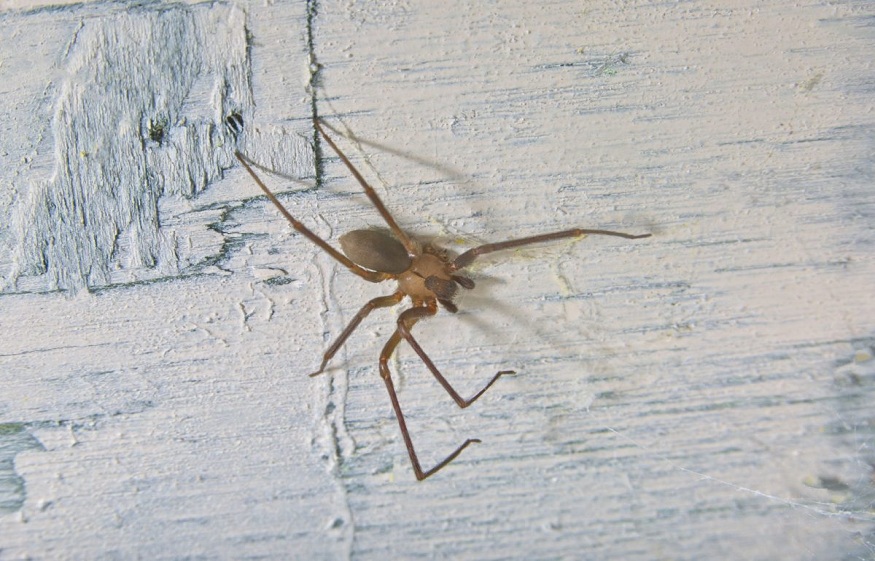
You’re coming home after a long day, walking up your driveway, and bam! It is coiled right next to your front rock bed. A scorpion. Not the homecoming you so wished for. And while this is not a common horror story for Phoenix homeowners. It is a Tuesday. It seems rock landscaping is the thing to do in the Valley, and understandably so.
But what you may not realize is that these lovely desert rock yards are likely giving scorpions more than they are giving you, and greenmangopest.com consistently finds that rock landscaping is one of the top contributors to scorpion activity right at the doorstep of Phoenix homes.
Why Phoenix Homeowners Love Rock Landscaping (And Why Scorpions Do Too)
Phoenix naturally lends itself to rock landscaping. That saves quite a lot of water, a good thing when staring down triple-digit water bills every summer. Low maintenance, meets most HOA standards, and frankly looks good. But flip that coin over. Each attribute that makes rock landscaping very low-maintenance, heat-trapping, land disturbance-free, ground moisture-holding, is really an invitation for Arizona bark scorpions. What is good for your water bill has been even better for staying alive.
How Rock Landscapes Create the Ideal Scorpion Habitat
1. Heat Retention in Phoenix’s Extreme Climate
Phoenix summers often soar over 110°F, and the rocks soak up all of that heat during the day. As night falls, those rocks stow away warmth along with their other deposits, keeping the ground below them warm well into the evening. This is important as bark scorpions are nocturnal predators. They are not out at noon. It is 11 p.m., and they are crawling on warm surfaces; your rock bed is just a hot road.
2. Moisture and Insects Trapped Beneath the Surface
Rocks do not simply absorb warmth; they hold the conditions needed for scorpions to flourish:
Read More: Seasonal Pest Control Strategy for Clermont: A Quick Guide
- Under the influence of irrigation or monsoon rains, trapped moisture collects under rocks, creating a humid microenvironment in an otherwise desert yard.
- The same moisture that attracts crickets and cockroaches, food sources for scorpions, is what practically lays a dinner table in your landscaping.
- Accumulated organic debris, such as leaves or bark, that is between rocks, also further increases cover and insect activity
Rock-to-Wall Contact: The Entry Risk Most Homeowners Miss
Most Phoenix homeowners take this for granted: when rock beds are pressed flush against the outside of a home or its foundation, they provide a direct path into your home. Most homes in Phoenix are slab-on-grade construction, which means there is no buffer between the foundation of your home and the ground level. A scorpion roaming your rock bed at night needs to look no further than the nearest hole in the stucco, weep screed opening, or under a poorly sealed door frame.
Phoenix Scorpion Facts Homeowners Should Know
| Fact | Detail |
| Most common species | Arizona Bark Scorpion (Centruroides sculpturatus) |
| Active season in Phoenix | April through October |
| Behavior | Nocturnal; hides during the day, hunts at night |
| Sting risk | Arizona Poison Control receives thousands of scorpion-related calls annually |
| Most common hiding spots | Under rocks, in block walls, inside shoes, and along door frames |
How to Reduce Scorpion Risk Without Removing Your Rock Landscaping
3. Landscaping Adjustments That Make a Difference
Read More: Compelling Reasons to Hire a Pest Control Service in Gaithersburg
- Avoid letting the rockbeds come into contact with your own home, keep a distance of at least 12 inches
- Never pile rocks near doorways, garage entries, or windows
- Rake and disturb rock beds frequently; scorpions like undisturbed areas
- Keep smaller strips, instead of large flat rocks, close to the foundation.
- Select a weed barrier that will not collect excessive moisture underneath
4. Ongoing Habits for Phoenix Homeowners
- At night, conduct UV flashlight sweeps of the rock beds and patio as scorpions glow bright green under black light.
- Older stucco-construction houses, common to areas across Phoenix and Scottsdale, can have gaps around garage doors and window frames.
- Before using, shake out the electric tape shoes, gloves, and towels kept in the garage or on a patio block.
When Landscaping Alone Is Not Enough
Maricopa County rock yards can still have scorpions, even if it looks well-kept. In fact, this population of bark scorpions is simply too entrenched to be solved through landscaping changes alone. This is why so many Phoenix homeowners combine smart yard habits with professional pest control. Unlike a generic pest spray, companies such as Saela Pest Control are familiar with the behavior of bark scorpions found in desert-landscaped yards across the Valley and provide special seasonal treatments based on when scorpions move through an area. It is local expertise that really makes the difference sometimes.